
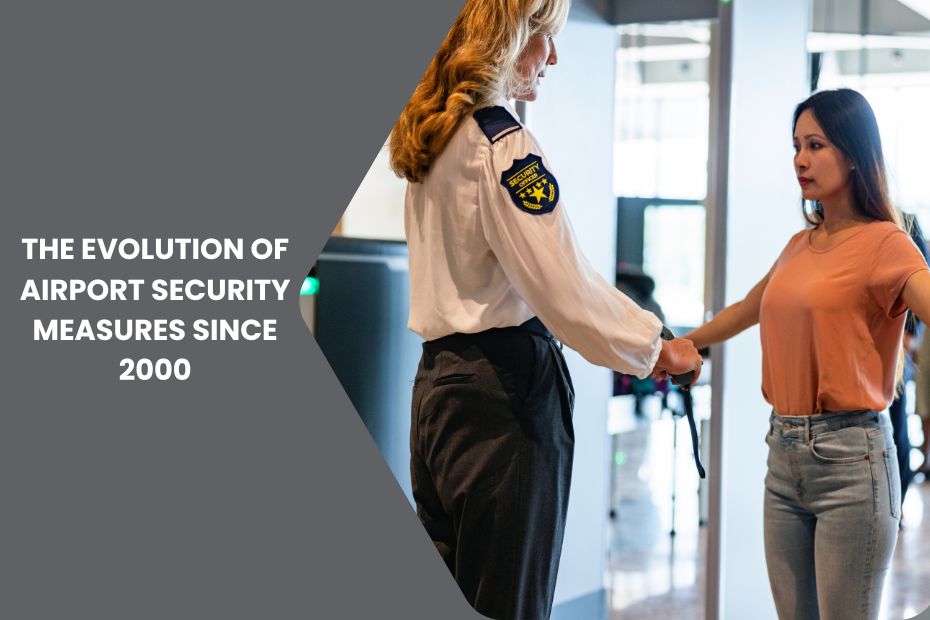
Security at airports has transformed significantly since 2000, driven by the need to protect passengers and respond to emerging threats. The changes have introduced stricter screening processes, advanced technology, and procedural shifts that have reshaped air travel. As someone who has spent years analyzing aviation security, I have witnessed the development of these systems firsthand. The introduction of new regulations, such as the formation of the Transportation Security Administration (TSA), the 3-1-1 liquid rule, and biometric screening, has changed how airports function. Security measures have become more rigorous, yet airports continually strive to balance safety with efficiency. Understanding how these measures have progressed over time offers insight into the future of aviation security and what passengers can expect in the years to come.
Security Before 2001
Prior to 2001, security protocols at airports were far less strict than they are today. Passengers were able to proceed to gates without identification, security checkpoints were operated by private companies with varying standards, and carry-on restrictions were minimal. Small pocket knives and other everyday items were permitted on flights, and shoes, belts, and jackets remained on during screening.
Security screenings relied on traditional X-ray scanners that were not as advanced as today’s imaging technology. The emphasis was placed on speed and convenience, with little attention given to the potential vulnerabilities of open airport access. Boarding passes were easily transferable, allowing passengers to swap tickets without undergoing identity verification. While these procedures made travel easier, they also exposed glaring weaknesses in airport security, which became more apparent after 2001.
The Overhaul of Security After 9/11
The September 11, 2001, attacks triggered the most dramatic shift in airport security in modern history. In response, the U.S. government created the TSA, transferring security responsibilities from private contractors to a federally regulated agency. This transition standardized procedures across all U.S. airports, ensuring that security measures were uniform and strictly enforced.
New regulations introduced mandatory passenger screenings, identity verification, and restrictions on items carried aboard. The changes were immediate—shoes had to be removed, liquids were restricted, and cockpit doors were reinforced to prevent unauthorized access. The TSA also introduced random secondary screenings, adding another layer of protection to detect potential threats. These heightened measures quickly became the new norm in aviation security.
The Introduction of Advanced Screening Technologies
Technology has played a crucial role in improving airport security efficiency and accuracy. Over the past two decades, full-body scanners, millimeter-wave imaging, and enhanced X-ray systems have been deployed across airports. These machines are capable of detecting concealed items without requiring a physical pat-down, significantly reducing human error in screenings.
Concerns about privacy and personal data initially slowed the adoption of these machines, but adjustments were made to replace anatomical body images with generic outlines, addressing passenger concerns. Airports have also integrated explosive trace detection systems, which scan passengers and baggage for residue associated with prohibited substances. These technological advancements have significantly improved threat detection while making the security process more seamless.
The Implementation of the 3-1-1 Liquid Rule
One of the biggest changes to carry-on restrictions came in 2006 after authorities foiled a terrorist plot involving liquid explosives. This led to the introduction of the 3-1-1 rule, which limits passengers to carrying liquids in 3.4-ounce (100mL) containers, all stored in a single quart-sized resealable bag.
While this rule was initially met with frustration, it has remained one of the most strictly enforced TSA regulations. Even today, many travelers forget to separate liquids before security checkpoints, leading to delays and confiscations. Advances in computed tomography (CT) scanners are currently being tested to determine whether liquid restrictions can be lifted in the future.
Identity Verification and Boarding Procedures
Passenger identity verification has evolved significantly since 2000. While passengers once boarded flights with little more than a ticket, security measures now require government-issued identification that matches the name on a boarding pass. These measures prevent ticket fraud, identity swapping, and unauthorized passengers from boarding flights.
The introduction of biometric technology is shaping the future of identity verification at airports. Many major hubs have begun implementing facial recognition systems, allowing passengers to clear security and board flights without needing a physical boarding pass. This technology speeds up passenger processing while adding an extra layer of fraud prevention.
Deployment of Federal Air Marshals and Cockpit Security Measures
Since 2001, the presence of Federal Air Marshals has significantly increased on commercial flights. These undercover law enforcement officers are trained to respond to threats in-flight, deterring potential hijackings. Although their exact numbers and assignments are classified, their presence has been a critical component of post-9/11 security strategies.
Another major change was the reinforcement of cockpit doors. Modern aircraft now have reinforced, bullet-resistant cockpit doors that remain locked throughout the flight, preventing unauthorized access. These enhancements protect flight crews and passengers by ensuring that the aircraft cannot be commandeered mid-flight.
The Future of Airport Security
Security measures continue to evolve as new threats and technologies emerge. One of the biggest areas of development is artificial intelligence (AI) in security screenings. AI-powered baggage scanners, behavior analysis tools, and real-time monitoring systems are being tested to identify threats faster and with greater accuracy.
The use of biometric security, including fingerprint and facial recognition, is becoming more widespread, making airport security faster and more efficient. Some airports have even begun trials for passport-free travel, allowing passengers to move through terminals using biometric identification alone. While these changes improve efficiency, they also introduce privacy concerns, which security agencies continue to address.
Key Milestones in Airport Security Since 2000
- 2001: Creation of the TSA, mandatory passenger screening, and cockpit security reinforcements.
- 2006: Introduction of the 3-1-1 liquid rule following a liquid explosive plot.
- 2010: Adoption of full-body scanners and advanced imaging technology to enhance security screenings.
- 2023: Expansion of biometric screening, facial recognition, and AI-driven security technology.
Conclusion: The Continuous Evolution of Aviation Security
Airport security has transformed drastically since 2000, shifting from a relaxed approach to a heavily regulated system designed to counter modern threats. While TSA screenings, identity verification, and baggage restrictions have added layers of complexity to air travel, these measures have also improved passenger safety. The introduction of biometric technology and AI-driven security is shaping the future of aviation, making security faster, more precise, and less intrusive. As airports balance security with efficiency, travelers can expect continued innovations that enhance both safety and convenience.

Jared Ailstock is Managing Partner at AIP Capital with over 15 years of experience in aviation finance and investment. He specializes in global aviation strategy, asset-backed transactions, and sustainable growth across the aerospace industry.