
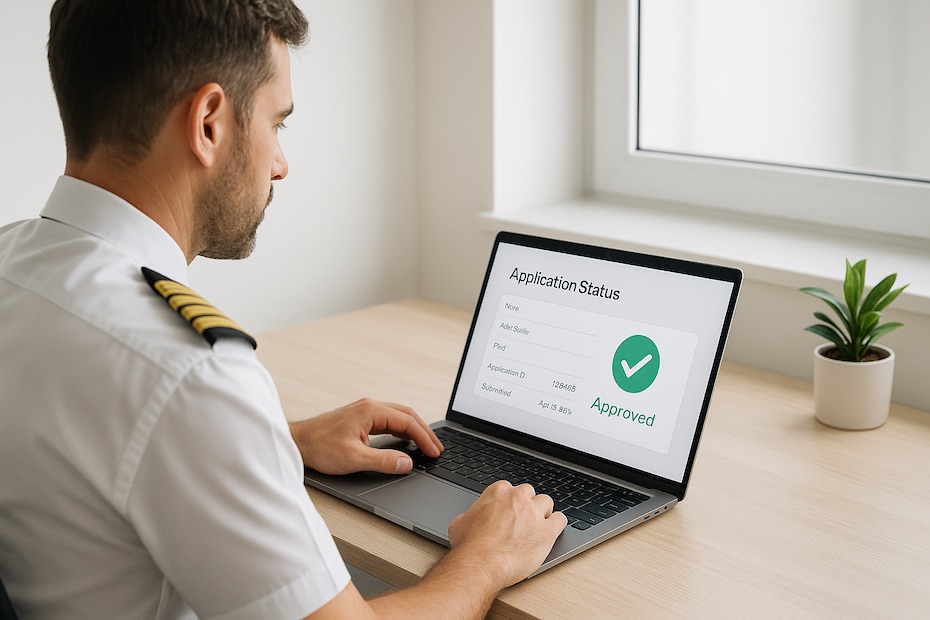
You streamline your pilot job search by using Pilot Pathfinder, a tool built to organize application steps, track qualifications, and match you to openings that match your flight hours and certificates. It removes the scattered effort of jumping between airline sites and gives you one place to manage your progress.
Pilot hiring has never been more competitive, and you need every advantage to stay organized. This article walks you through how Pilot Pathfinder supports your search, how pilots use it to track application stages, and why its structured workflow reduces confusion and saves time. You’ll see how this tool fits into today’s hiring environment and how to use it as part of a disciplined career strategy.
How does Pilot Pathfinder help you simplify airline applications?
Pilot Pathfinder gives you a centralized system to manage airline requirements, application steps, and hiring timelines. You gain clarity over your status with each carrier instead of juggling spreadsheets or email trails.
You deal with countless moving parts during a hiring cycle. Each airline uses unique portals, document formats, and screening stages. When you control all of this from one dashboard, you remove the friction that slows pilots down. You maintain momentum because you always know the next step to complete.
The platform also cuts down on repeated data entry. Your certificates, hours, and logbook details remain stored in your profile. When you apply to multiple carriers, you update one file instead of duplicating the process for each employer. You conserve time and reduce errors, which strengthens your overall presentation.
What qualifications can you track inside the platform?
You monitor license levels, training events, aircraft experience, and total hours segmented by category. This supports hiring teams that screen for specific criteria such as turbine time, instrument proficiency, or recent experience.
Airlines often filter applications by hour thresholds, aircraft categories, and recency of training. When your profile displays these details clearly, you help recruiters identify your fit faster. You also catch gaps early—if your instrument currency or medical timing requires attention, you see it in your dashboard before submitting an application.
This organized structure matters because smaller carriers may still accept paper logs or PDFs, but major operators expect clean, accurate, digital documentation. When your record is structured and current, you remove friction for the recruiter and improve your first impression.
How does the platform organize the pilot hiring process?
Pilot Pathfinder uses step-based tracking that mirrors standard airline hiring flows: application submitted, document verification, assessments, interviews, and onboarding tasks. You always see where you stand and what actions remain.
Many pilots lose opportunities not from lack of skill, but from missed emails or incomplete steps. A clean workflow reduces this risk by keeping each task visible and timestamped. You move through the process with fewer delays, which matters when airlines onboard candidates in cycles.
You also use the tracking system to measure your own consistency. As you book assessments or prepare for interviews, the platform shows deadlines approaching. This reinforces disciplined behavior, which employers appreciate because it signals reliability.
How does Pilot Pathfinder compare to manual tracking like spreadsheets?
Manual tools require you to enter, update, and cross-check every detail yourself. Pilot Pathfinder automates much of this and reduces the chance of missing information that airlines expect.
Spreadsheets can work early in your career, but they break down quickly when you apply to ten or more carriers at once. Each airline uses unique submission timelines, login portals, and document guidelines. Managing this manually drains attention that you should invest in interview preparation and simulator sessions.
With an automated workflow, you shift from chasing paperwork to presenting yourself professionally. You also avoid mistakes like outdated flight hours or expired attachments—a common reason applications stall. The platform supports consistency, which keeps your hiring momentum strong.
What benefits do pilots gain from using a centralized application tool?
You save time, reduce stress, and create an organized record of your hiring journey. This encourages a disciplined, repeatable process during a career transition.
A strong hiring process depends on predictable routines. When you maintain your documents in one place, update hours regularly, and follow visible task lists, you avoid surprises. You move faster than pilots who rely on scattered notes or folders.
A centralized tool also helps you stay confident. Job searching in aviation can be intense, especially as airlines shift requirements during busy hiring seasons. When your workflow is organized and current, you eliminate second-guessing. You can focus on improving your interview presence, CRM examples, and technical refreshers—the areas that truly influence success.
What key features matter most when using the platform?
Pilots consistently look for clean hour tracking, organized hiring stages, document storage, and notification systems that highlight deadlines or status changes. These features support smooth communication between you and the hiring team.
You benefit from having all documents—résumé, certificates, passports, medicals—stored in one secure location. You avoid scrambling for files when a recruiter asks for an updated version. You also gain confidence because you know everything they need is ready.
Notifications help you stay punctual. Whether it’s a reminder to update hours or a prompt to complete a hiring task, these cues reduce the mental load. They keep your performance consistent across all applications.
What do pilots say about using third-party tracking tools?
Pilots often mention that centralized systems reduce confusion, especially during transitions from CFI roles to regional or major carriers. They appreciate having structured paths instead of scattered instructions.
Feedback from pilots on forums highlights the advantage of keeping all application-related steps in one place. Many report feeling more confident when they can visualize their progress. This sense of momentum improves morale during periods when hiring cycles slow down or interviews stack up.
Pilots also point out that organized applications reduce mistakes. When you avoid missing documents, deadlines, or updates, you present yourself as someone who manages details well—exactly the type of candidate airlines want on their flight deck.
What does Pilot Pathfinder do?
- Tracks airline applications in one place
- Stores pilot qualifications and documents
- Highlights deadlines and upcoming tasks
- Reduces manual paperwork and repetition
Your Momentum Starts Here
You control your pilot career more effectively when you remove disorder from your application workflow. Pilot Pathfinder gives you clarity, structure, and consistent habits that support long-term success. You gain extra time to refine your interview preparation, study technical material, and maintain proficiency—areas that genuinely separate strong candidates from average ones. When you adopt a system that keeps you organized, you create a hiring journey that reflects the professionalism airlines want to see.

Jared Ailstock is Managing Partner at AIP Capital with over 15 years of experience in aviation finance and investment. He specializes in global aviation strategy, asset-backed transactions, and sustainable growth across the aerospace industry.