
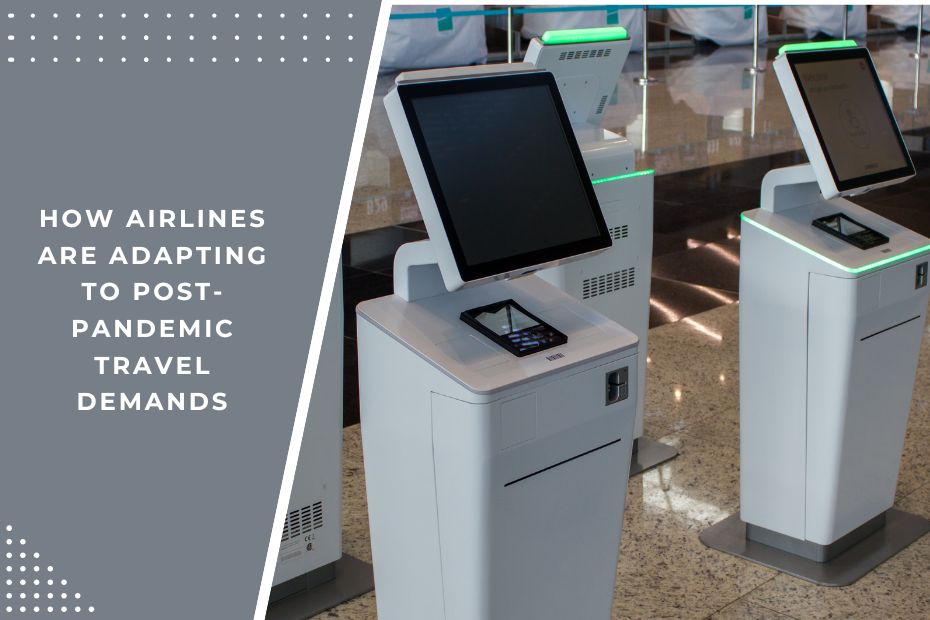
The aviation industry has always been resilient, but recent years have tested its ability to adapt like never before. Travel expectations have shifted, and airlines have had to rethink everything from safety procedures to digital convenience. Having worked in this industry for years, I’ve seen airlines make bold moves to stay competitive—modernizing fleets, revamping loyalty programs, and committing to sustainability in ways that weren’t prioritized before. The travel experience today is designed to be more flexible, efficient, and environmentally responsible. Whether it’s the rise of contactless check-ins, improved onboard hygiene, or the shift toward fuel-efficient aircraft, airlines are proving that they can meet new demands head-on.
Strengthening Health and Safety Measures
Passenger safety has always been a priority, but the expectations around cleanliness and hygiene have never been higher. Airlines responded by upgrading their cleaning protocols and enhancing onboard air filtration systems. High-efficiency particulate air (HEPA) filters, now standard on most aircraft, remove nearly all airborne particles, ensuring that cabin air is constantly refreshed.
Aircraft interiors have also been redesigned with antimicrobial seat covers and reduced touchpoints to minimize contact. Airlines have introduced self-cleaning bathrooms and UV sanitation technology to maintain hygiene between flights. These measures provide reassurance to travelers and reinforce the commitment to a safer flying experience.
Expanding Digital Services for a Smoother Journey
Technology has been a game-changer in air travel. Contactless check-in, mobile boarding passes, and biometric security checkpoints have transformed the way passengers move through airports. I’ve watched as airlines invest heavily in AI-powered customer service tools to streamline the process even further.
Many airlines now offer mobile apps that allow travelers to track their luggage in real time, receive instant flight updates, and even change reservations without speaking to an agent. AI chatbots handle common customer service inquiries, freeing up human representatives for more complex issues. The goal is simple—reduce wait times and eliminate unnecessary stress for passengers.
Investing in Fuel-Efficient Aircraft
The push for fuel efficiency has gained momentum, and airlines are retiring older, fuel-hungry planes in favor of new-generation aircraft. Models like the Boeing 787 Dreamliner and Airbus A321XLR are designed to use less fuel while maintaining range and passenger capacity. This shift isn’t just about reducing costs—it’s part of a broader strategy to cut emissions and meet evolving sustainability goals.
Airlines have also focused on optimizing flight paths to reduce fuel consumption. Advanced navigation systems allow pilots to select routes that avoid unnecessary detours, cutting down on travel time and fuel use. I’ve spoken with airline executives who see this as a long-term commitment, with more investment in sustainable aviation fuels (SAFs) on the horizon.
Offering More Flexible Booking Policies
Travel uncertainty has led airlines to introduce flexible booking policies that put passengers at ease. Many carriers now allow free flight changes and cancellations, a major shift from the rigid policies of the past. I’ve noticed that frequent travelers are now more confident booking tickets in advance, knowing they won’t be stuck with expensive fees if their plans change.
Loyalty programs have also adapted to reward flexibility. Airlines are extending elite status qualifications and offering more redemption options, including the ability to use points for everyday purchases. These changes make it easier for travelers to remain engaged with their preferred airline, even if they aren’t flying as frequently as before.
Committing to Sustainability in Airline Operations
Sustainability is no longer just a buzzword—it’s a business strategy. Airlines are under pressure to reduce their environmental impact, and many are responding with serious investments in eco-friendly initiatives. One of the biggest moves has been the shift toward sustainable aviation fuels (SAFs), which are derived from renewable sources and produce significantly fewer emissions than traditional jet fuel.
Onboard, airlines are eliminating single-use plastics and switching to biodegradable meal packaging. Some have also introduced carbon offset programs, allowing passengers to contribute to environmental initiatives when booking flights. I’ve worked with industry professionals who see this as just the beginning—long-term plans include hybrid-electric aircraft and even hydrogen-powered flight technology.
Revamping Loyalty Programs to Keep Travelers Engaged
Frequent flyer programs have had to evolve as business and leisure travel patterns shift. Airlines are now making it easier to earn and redeem miles, introducing more flexible benefits, and offering status extensions to keep loyal customers engaged. I’ve seen airlines add non-travel redemption options, such as online shopping and dining rewards, to keep their programs relevant for customers who may be traveling less frequently.
Another noticeable shift is in the way upgrades and perks are distributed. Many airlines now use AI to personalize offers, ensuring that frequent flyers receive targeted incentives based on their travel history and spending patterns. The days of one-size-fits-all rewards programs are fading, replaced by customized perks that align with individual traveler preferences.
Adjusting Flight Schedules and Expanding Routes
Airline route networks have undergone major adjustments to reflect changing travel trends. Popular leisure destinations have seen a surge in flights, while traditional business travel hubs have seen reductions or modified schedules to accommodate hybrid work patterns.
Some airlines have launched entirely new long-haul routes to meet demand for international travel, particularly to destinations that previously lacked direct service. Regional expansion has also been a focus, with airlines adding more short-haul flights to connect underserved markets. By analyzing real-time booking trends, airlines can quickly adjust their schedules to align with traveler demand.
How Airlines Are Adapting to Post-Pandemic Travel
- Enhanced safety – Improved hygiene, air filtration, and sanitization.
- Digital upgrades – Contactless check-in, mobile apps, and biometric security.
- Fuel-efficient aircraft – Lower emissions and cost-saving fleets.
- Flexible booking – Easier rescheduling and cancellations.
- Sustainability efforts – Use of sustainable aviation fuels and eco-friendly practices.
In Conclusion
Airlines have faced some of the toughest challenges in modern travel history, but they’ve proven their ability to adapt and innovate. The focus now is on providing safer, more seamless, and more sustainable travel experiences while keeping up with changing passenger expectations. By embracing technology, modernizing fleets, and making customer-centric changes, airlines are shaping the future of travel in ways that make flying more efficient and accessible than ever before.

Jared Ailstock is Managing Partner at AIP Capital with over 15 years of experience in aviation finance and investment. He specializes in global aviation strategy, asset-backed transactions, and sustainable growth across the aerospace industry.