
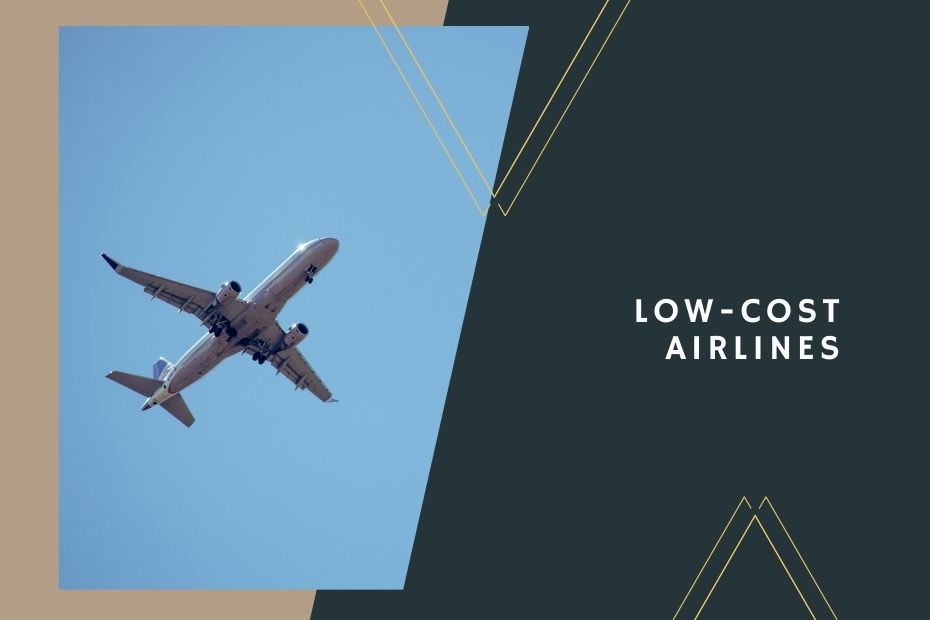
Low-cost airlines have completely reshaped the aviation industry, making air travel accessible to millions of people who previously viewed it as a luxury. Their impact extends beyond affordable tickets—they have fundamentally changed how the industry operates, how travelers think about flying, and how airlines compete. As someone who has studied and worked closely with trends in aviation, I’ve seen firsthand how low-cost carriers (LCCs) are driving significant changes in global air travel. Let’s delve into how these airlines have influenced pricing, connectivity, passenger experiences, and the overall market landscape.
Making Air Travel Affordable for All
Perhaps the most significant contribution of low-cost airlines is the democratization of air travel. By introducing a no-frills business model, these carriers focus on providing basic transportation at minimal cost, allowing passengers to customize their journey by paying only for the additional services they need. This approach has led to significant reductions in ticket prices, making flying a viable option for more people.
The pricing strategies of LCCs have forced traditional carriers to lower their fares on competitive routes. This “fare wars” effect has benefited passengers worldwide. For example, in Europe, airlines like Ryanair and Wizz Air have consistently offered flights under €20, opening the skies to budget-conscious travelers. In Asia, carriers like AirAsia have replicated this model, making flying accessible to a rapidly growing middle class.
Expanding Connectivity to Underserved Markets
Low-cost carriers have played a pivotal role in expanding air travel connectivity. Unlike legacy carriers, which often focus on high-traffic routes between major hubs, LCCs target secondary airports and underserved regions. This strategy reduces costs and opens up travel options for communities previously excluded from the air travel network.
For example, in the United States, Southwest Airlines has been instrumental in connecting smaller cities to larger economic hubs. In Europe, Ryanair’s extensive network reaches remote towns and lesser-known tourist destinations, driving both local tourism and economic development. This expansion of connectivity has profoundly influenced regional economies, bringing opportunities to areas that traditional carriers might overlook.
Enhancing Passenger Choices and Experiences
While low-cost airlines are often associated with basic service, many have adapted their offerings to meet diverse customer needs. Today, passengers can choose from a range of customizable options, such as seat selection, extra baggage, and in-flight meals, allowing them to tailor their travel experience without paying for services they don’t need.
Some low-cost carriers have even begun offering premium options to attract business travelers. For example, airlines like JetBlue and Norwegian Air have introduced extra-legroom seating and priority boarding to appeal to frequent flyers seeking comfort without the price tag of a legacy carrier. These innovations demonstrate how LCCs are expanding their appeal beyond leisure travelers.
Disrupting the Competitive Landscape
The rise of low-cost airlines has dramatically increased competition within the aviation sector. Traditional airlines have had to adjust their pricing models and service structures to compete with the aggressive cost advantages of LCCs. This competition has led to better deals for consumers and forced innovation across the industry.
For example, legacy carriers have launched their own budget subsidiaries to compete in the low-cost space. Lufthansa’s Eurowings and IAG’s LEVEL are examples of established airlines diversifying their offerings to remain competitive. These initiatives highlight how LCCs have disrupted traditional market structures, compelling legacy airlines to rethink their strategies.
Leveraging Technological Advancements
Low-cost airlines are known for their operational efficiency, and technology has been a key enabler of this success. By investing in user-friendly booking systems, mobile apps, and automated customer service platforms, LCCs have streamlined their operations and reduced costs.
Online booking platforms have revolutionized how passengers plan and purchase their travel. With dynamic pricing algorithms, airlines can adjust fares in real time based on demand, maximizing revenue while offering competitive prices. Additionally, the use of mobile check-ins and self-service kiosks has reduced the need for on-ground staff, further enhancing efficiency.
Adapting to Regional Preferences
One of the reasons for the global success of low-cost airlines is their ability to adapt to regional markets. Each market has its unique travel behaviors and preferences, and LCCs have proven adept at tailoring their models to fit these needs.
In Asia, carriers like Lion Air have thrived by catering to the region’s growing middle class, offering affordable flights to domestic and international destinations. In Latin America, airlines such as Viva Aerobus and GOL have captured market share by focusing on short-haul routes and aligning their offerings with local cultural preferences. This adaptability has allowed low-cost airlines to succeed in diverse markets around the world.
Addressing Environmental Challenges
The rise of low-cost airlines has not been without criticism, particularly regarding their environmental impact. As the aviation industry faces increasing pressure to reduce carbon emissions, LCCs are taking steps to improve their sustainability. Many are investing in fuel-efficient aircraft and exploring the use of sustainable aviation fuels (SAFs) to reduce their carbon footprint.
For instance, Ryanair, one of the largest low-cost carriers globally, has committed to reducing its emissions by 10% per passenger by 2030. Similarly, airlines like easyJet are actively participating in research on electric and hybrid propulsion systems. While the industry still has a long way to go, these efforts demonstrate a growing commitment to sustainability within the low-cost sector.
How Low-Cost Airlines Are Reshaping Air Travel:
- Lower fares making air travel more accessible.
- Expanding connectivity to underserved regions.
- Offering customizable services for diverse traveler needs.
- Increasing competition and innovation in the aviation sector.
- Embracing technology to streamline operations.
- Addressing environmental concerns with fuel-efficient practices.
In Conclusion
Low-cost airlines have revolutionized global air travel by introducing affordable fares, expanding route networks, and challenging traditional market norms. Their influence extends beyond pricing, as they’ve redefined passenger expectations and encouraged innovation throughout the industry. Whether it’s connecting underserved regions or tailoring services to individual preferences, LCCs have set new standards for efficiency and accessibility.
As someone deeply invested in understanding aviation trends, I see low-cost airlines as vital players in shaping the future of global air travel. Their ability to adapt, innovate, and expand ensures that their impact will continue to grow, offering passengers more options and creating a more competitive and dynamic aviation market.
Featured Image Details
Alternative Text:
A low-cost airline aircraft on the runway, representing the rise of budget carriers in global air travel.
Caption:
A low-cost carrier ready for departure, symbolizing affordability and accessibility in modern air travel.
Description:
A budget airline plane positioned for takeoff, illustrating how low-cost carriers are reshaping global air travel with affordable fares and expanded connectivity.
SEO Details
Focus Key-Phrase:
Low-Cost Airlines
SEO Title:
How Low-Cost Airlines Are Shaping Air Travel
Meta Description:
Discover how low-cost airlines are transforming global air travel with affordable fares, expanded routes, and innovative passenger experiences.

Jared Ailstock is Managing Partner at AIP Capital with over 15 years of experience in aviation finance and investment. He specializes in global aviation strategy, asset-backed transactions, and sustainable growth across the aerospace industry.